
The science behind measurement precision.
At Pacific Metric Systems, we define our metrics through a rigorous architectural framework. Our methodologies ensure that data captured in complex Australian industrial environments translates into reliable, actionable business intelligence.
The Unified Measurement Protocol
Measurement is not merely the collection of numbers; it is the systematic reduction of uncertainty. Our systems rely on the Unified Measurement Protocol (UMP), a proprietary framework derived from international industrial standards and adapted for specific Australian environmental variables.
We address the "data drift" common in long-term monitoring by establishing a persistent baseline. Every metric we generate is anchored to a traceable physical or digital constant, ensuring that a reading taken today is perfectly comparable to a reading taken three years from now. This temporal consistency is what allows our clients to identify subtle trends that others miss.
Technical Assurance
All systems are verified against ISO-equivalent benchmarks to maintain a 99.8% accuracy rating in high-interference environments.
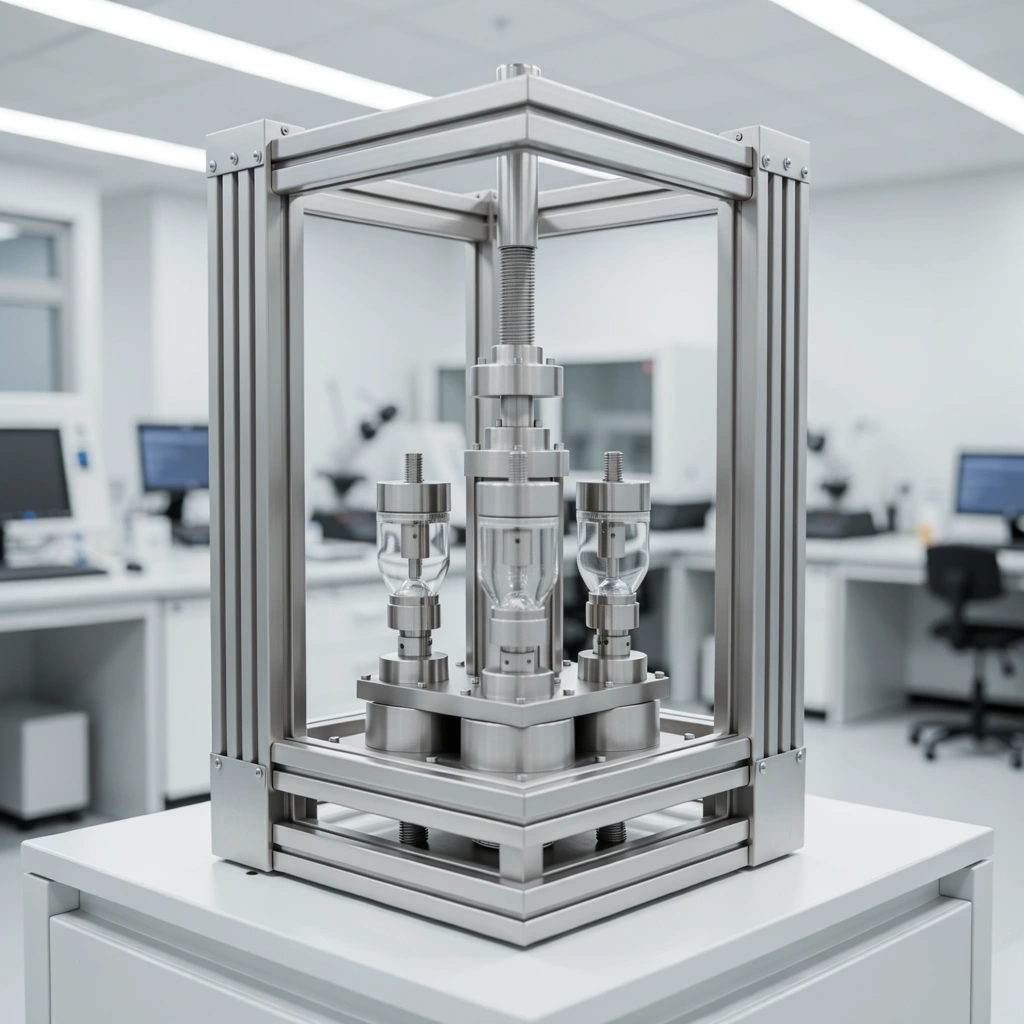
System Architecture Pillars
Signal Integrity
Hardware-level filtering that removes environmental noise before data ever reaches the software layer.
Data Normalization
Standardizing disparate data streams into a single, cohesive metric language for cross-departmental analysis.
Redundant Validation
Applying secondary verification cycles to outlier data points to eliminate false positives in monitoring.
Latency Management
Ensuring high-velocity metrics are processed and displayed with sub-millisecond lag for real-time response.
Dynamic Analytical Frameworks
The metrics we deploy are not static. Our methodology includes a dynamic adjustment layer that accounts for environmental shifting—such as temperature variations in Western Australia or seismic noise in metropolitan Sydney construction zones.
By integrating edge-computing logic directly into the sensor array, we reduce the computational load on central systems while increasing the fidelity of the raw signal. This dual-layer approach allows Pacific Metric Systems to provide high-resolution insights without the bandwidth overhead typically associated with enterprise-scale monitoring.
- Auto-compensating algorithms for environmental flux
- Asynchronous data transmission for remote site continuity
- End-to-end encryption of metric metadata

Methodology in Action
See how our technical standards resolve common measurement challenges.
Built for precision. Defined by science.
Ready to see how our measurement methodologies can transform your operational visibility? Let's discuss a technical transition for your business.